
Blogs & News

Mastering Nifty 50 Option Buying: A Complete Guide
Trading Courses

Mastering Nifty 50 Option Buying: A Complete Guide

Nifty 50 option buying is a simple way to trade in the stock market without needing a big amount of money. Many people in India prefer options because they can earn profit even from small market movements. With Nifty 50, you are trading the overall market, not just one company, which makes it easier to understand the trend. You can take a trade when you think the market will go up or down using call and put options. But without proper knowledge, losses can happen quickly.


In this guide, you will learn everything in a simple and practical way. We will explain how option buying works, how to choose the right trade, and how to manage your risk. The aim is to keep things easy so you can understand clearly and avoid confusion. Whether you are a beginner or already trading, this guide will help you improve your skills and make better decisions.


Understanding the Basics of Options Trading


Before starting Nifty 50 options trading, it is important to understand the basics. Many beginners lose money because they trade without knowing how options work. Options trading is not about guessing market direction—it requires understanding price movement, timing, and risk. Learning these basic concepts first helps you build a strong foundation for successful trading.


Basics of the Nifty 50 Index


Nifty 50 is one of the main stock market indices in India. It includes the top 50 companies listed on the National Stock Exchange (NSE). These companies come from different sectors like banking, IT, FMCG, and energy, so Nifty shows the overall market performance.


If most of these companies are doing well, Nifty goes up. If they are not doing well, Nifty goes down. This helps traders understand the overall market trend instead of focusing on just one stock.


Another important point is that Nifty has high liquidity. This means there are always many buyers and sellers, so trades happen easily. Also, Nifty usually moves more smoothly compared to small stocks, which makes it easier to analyze and trade.


What is Nifty and Sensex


Nifty and Sensex are the two main stock market indices in India that show how the market is performing. Nifty 50 represents the top 50 companies on the National Stock Exchange (NSE), while Sensex represents 30 major companies on the Bombay Stock Exchange (BSE).


When these companies perform well, the index goes up, and when they perform poorly, it goes down. This helps traders understand the overall market direction easily.


How are Sensex and Nifty Calculated


Both Nifty and Sensex are calculated using a method called free-float market capitalization.


Simple Formula: Index Value = (Free Float Market Cap ÷ Base Market Cap) × Base Value


In Simple Terms:


·      Market Capitalization = Share price × Total shares

·      Free Float Factor = Shares available for public trading

·      Free Float Market Cap = Market Cap × Free Float Factor


Only the shares available for public trading are considered in the calculation.


For example, if a large bank stock moves strongly, it can impact the index more than smaller companies. This system ensures that the index reflects real market conditions and investor sentiment.


How are Companies Selected for Sensex and Nifty?


Companies are not chosen randomly for Sensex and Nifty. They must meet certain important conditions. Basic Requirements:


  • · Stock Exchange Listing: For Nifty, the company must be listed on NSE. For Sensex, it must be listed on BSE.
  • · Industry Representation: The company should represent its sector, like banking, IT, or energy, so the index shows a balanced market view.
  • · Strong Performance: Companies should have good financial results and be among the top performers in their industry.
  • · High Trading Activity: Shares should be actively traded every day, so buying and selling is easy.
  • · Clean Record: The company should be transparent and should not have major legal or financial problems.


What is Nifty 50 Option Buying


Nifty 50 option buying means purchasing options based on the Nifty index. When you buy an option, you are buying a “right” to trade at a certain price, but you are not forced to do it. There are two main types of option buying:


·      Call Option (CE): You buy this when you think the market will go up.

·      Put Option (PE): You buy this when you think the market will go down.


For example, if Nifty is at 20,000 and you believe it will rise, you can buy a call option. If your prediction is correct and the market goes up, your option value increases and you make profit. Similarly, if you think the market will fall, you can buy a put option. One of the biggest advantages of option buying is low capital requirement. You don’t need lakhs of rupees, you can start with a small amount.


But at the same time, option buying is risky because if the market does not move as expected, your option can lose value quickly. So, understanding how and when to enter a trade is very important.


Nifty 50 Companies


The Nifty 50 index includes 50 of the largest and most important companies listed on the NSE. These companies come from different sectors like banking, IT, energy, FMCG, and more. Here are well-known companies in Nifty 50 include:


Reliance Industries Ltd

JSW Steel Ltd

HDFC Bank Ltd

Tata Steel Ltd

Tata Consultancy Services Ltd

Adani Enterprises Ltd

Bharti Airtel Ltd

Wipro Ltd

ICICI Bank Ltd

Grasim Industries Ltd

State Bank of India

Divi's Laboratories Ltd

Infosys Ltd

SBI Life Insurance Company Ltd

Bajaj Finance Ltd

Britannia Industries Ltd

Hindustan Unilever Ltd

Cipla Ltd

ITC Ltd

Dr. Reddy's Laboratories Ltd

Larsen & Toubro Ltd

Eicher Motors Ltd

HCL Technologies Ltd

Hero MotoCorp Ltd

Kotak Mahindra Bank Ltd

HDFC Life Insurance Company Ltd

Sun Pharmaceutical Industries Ltd

BPCL (Bharat Petroleum Corporation Ltd)

Maruti Suzuki Ltd

Coal India Ltd

Axis Bank Ltd

Bajaj Auto Ltd

Mahindra & Mahindra Ltd

Apollo Hospitals Enterprise Ltd

UltraTech Cement Ltd

IndusInd Bank Ltd

NTPC Ltd

Hindalco Industries Ltd

Bajaj Finserv Ltd

Tata Consumer Products Ltd

Asian Paints Ltd

Adani Ports and Special Economic Zone Ltd

Power Grid Corporation of India Ltd

UPL Ltd

Tata Motors Ltd

ONGC (Oil & Natural Gas Corporation Ltd)

Nestle India Ltd

Shree Cement Ltd

Titan Company Ltd

SBI Cards and Payment Services Ltd

What is Price Action?


Price action means understanding how price moves without relying too much on indicators. It includes:


·      Support and resistance

·      Breakouts

·      Candle patterns


This helps traders make decisions based on actual market behavior.


Importance of Options Trading in India


Options trading has become very popular in India because it allows people to trade with less money and more flexibility.


·      Leverage: You can take bigger positions with a small amount of money.

·      Profit in both directions: You can earn when the market goes up or down.

·      Hedging: It helps protect your investments from losses.


Also, with easy apps and online platforms, anyone can start trading quickly. But remember, along with high opportunities, there is also high risk. So, proper learning is very important before trading.


What are Call and Put Options?


Call and Put options are the basic building blocks of options trading. Understanding them clearly is very important.


·      A Call Option gives you the right to buy at a fixed price. You buy a call option when you expect the market to go up. For example, if Nifty is at 20,000 and you buy a call option, and Nifty moves to 20,200, your call option value will increase.

·      A Put Option gives you the right to sell at a fixed price. You buy a put option when you expect the market to go down. For example, if Nifty is at 20,000 and you buy a put option, and Nifty falls to 19,800, your put option value will increase.


Both options have a cost called premium, which you pay to buy them. This price keeps changing based on market movement and time. If your prediction is correct, you earn profit. If not, you lose money. The good part is your loss is limited only to the premium you paid.


Key Terms Every Trader Must Know


Before you start trading, there are some important terms you must understand. These terms are used daily in options trading.


·      Strike Price: This is the price at which you can buy or sell the option.

·      Premium: The cost of buying an option.

·      Expiry Date: The date on which the option contract ends. After this, the option becomes useless.

·      Lot Size: Options are traded in fixed quantities called lots.

·      Intrinsic Value: The actual value of the option based on market price.

·      Time Value: Extra value based on time left before expiry.

·      Volatility: How fast and how much the market moves. Higher volatility means bigger price changes.

·      Open Interest (OI): Number of active option contracts in the market.

·      Volume: Number of trades happening in an option.


These terms may look confusing at first, but once you start trading and observing the market, they will become easy to understand.


ITM, ATM, and OTM Options Explained


In options trading, you will often hear the terms ITM, ATM, and OTM. These refer to the position of the option compared to the current market price.


·      ITM (In the Money): These options already have value. For example, if Nifty is at 20,000 and you have a call option of 19,800, it is ITM because it is already profitable.

·      ATM (At the Money): These options are closest to the current market price. For example, if Nifty is at 20,000, the 20,000 strike price is ATM.

·      OTM (Out of the Money): These options do not have value yet. For example, if Nifty is at 20,000 and you buy a call option of 20,200, it is OTM because the market has not reached that level yet.


Most beginners prefer ATM options because they offer a good balance. Choosing the right type is important for better trading decisions.


How Nifty 50 Option Buying Works


Nifty 50 option buying means taking a trade based on where you think the market will go. You don’t buy the actual index, but a contract that gives you the chance to earn profit if your prediction is correct. Each option has three main parts: strike price, premium, and expiry.


For example, if Nifty is at 20,000 and you think it will go up, you buy a call option. If the market rises, the option price increases and you make profit. If you think the market will fall, you buy a put option and earn when the market goes down. Option prices are affected by a few important things:


·      Market direction (up or down)

·      Time decay (value reduces as expiry comes closer)

·      Volatility (fast movement increases premium)

·      Demand and supply


Option buying also gives leverage, which means you can trade with a small amount but still control a bigger position. The good part is your loss is limited to the premium you pay. To trade properly, follow simple steps:


·      Identify trend

·      Choose call or put

·      Select strike price

·      Enter at the right time

·      Use stop loss and target


Success in option buying depends on right direction, good timing, and strong discipline.


Why Choose Nifty 50 for Option Buying


Nifty 50 is one of the most preferred instruments for option buying in India, and this is not by chance. It offers a combination of stability, movement, and reliability that makes it suitable for all types of traders. Here are the key reasons why traders choose Nifty 50:


1. High Liquidity


Nifty 50 options are heavily traded every day. This means:


·      You can enter and exit trades easily

·      There is minimal difference between buying and selling price

·      Orders get executed quickly


This is especially important for intraday traders who need fast execution.


2. Balanced Price Movement


Unlike individual stocks, Nifty does not move randomly due to company-specific news. Its movement is based on overall market sentiment. This makes price action smoother and easier to analyze.


3. Daily Trading Opportunities


Nifty provides consistent movement almost every day. Whether the market is trending or sideways, there are always opportunities for option buyers. This makes it suitable for both intraday and short-term trading.


4. Lower Risk Compared to Stocks


Individual stocks can be highly volatile. A single news event can cause sharp moves. But Nifty spreads risk across 50 companies, which reduces extreme fluctuations. This makes it safer for beginners.


5. Ideal for Learning


If you are new to option trading, Nifty is the best place to start. Reasons include:


·      Easy availability of learning resources

·      Widely followed by traders and experts

·      Clear support and resistance levels

·      Better technical analysis reliability


6. Reaction to Major Events


Nifty reacts to important factors like:

·      RBI policy decisions

·      Global market trends

·      Inflation data

·      Budget announcements


This allows traders to plan trades in advance based on expected events.


7. Weekly and Monthly Expiry Options


Nifty offers both weekly and monthly expiry contracts:


·      Weekly expiry is useful for quick trades

·      Monthly expiry is better for holding positions


This flexibility helps traders choose based on their strategy.


8. Suitable for All Strategies


Whether you use:


·      Price action

·      Indicators

·      Option chain analysis

·      Breakout trading


Nifty supports all types of trading styles. Many professional traders prefer Nifty because it respects technical levels better than most stocks.


9. Lower Capital Requirement


Compared to trading stocks or futures, Nifty option buying requires less capital. This makes it accessible to small traders and beginners.


10. Consistency and Reliability


Over time, Nifty has shown consistent behavior patterns. Traders who study it regularly can understand its movements better and improve their accuracy.


Nifty 50 is chosen for option buying because it offers the perfect mix of liquidity, safety, and opportunity. It is beginner-friendly while also being powerful enough for advanced strategies. If you want to build strong skills in option trading, starting with Nifty 50 is one of the smartest decisions you can make.


Types of Option Buying Strategies


When it comes to Nifty 50 option buying, there is no single strategy that works all the time. The market behaves differently every day, sometimes it trends strongly, sometimes it moves sideways, and sometimes it becomes highly volatile. That is why traders use different types of option buying strategies based on market conditions.


Understanding these strategies will help you choose the right approach instead of taking random trades. Here are the main types of option buying strategies you should know:


1. Directional Strategy (Trend-Based Trading)


This is the most common and beginner-friendly strategy. In this approach, you take a trade based on the direction of the market.


·      If the market is in an uptrend → Buy Call Option (CE)

·      If the market is in a downtrend → Buy Put Option (PE)


Traders use tools like support and resistance, moving averages, or trendlines to identify the direction. This strategy works best when the market is clearly trending and not moving sideways.


2. Breakout Strategy


In this strategy, traders wait for the market to break an important level, such as resistance or support.


·      Resistance breakout → Buy Call Option

·      Support breakdown → Buy Put Option


Breakouts usually come with strong momentum, which helps option premiums increase quickly. However, false breakouts can happen, so confirmation is important before entering.


3. Reversal Strategy


Sometimes the market reaches a level where it is likely to reverse instead of continuing the trend. This is where reversal strategies are used.


·      At strong resistance → Buy Put Option

·      At strong support → Buy Call Option


This strategy requires good understanding of price action and patience. It works well when the market shows signs of exhaustion like rejection candles or divergence.


4. Intraday Scalping Strategy


This strategy is used by traders who want to make quick profits in a short time.


·      Trades are taken for a few minutes

·      Small targets are booked quickly

·      Focus is on high volume and fast movement


Scalping requires fast decision-making and strict discipline. It is risky for beginners but effective for experienced traders.


5. Event-Based Strategy


Nifty 50 reacts strongly to major events like:


·      RBI policy announcements

·      Budget

·      Global news


Traders take positions before or after such events to capture volatility. In such cases, both call and put options can move sharply.


6. Momentum Trading Strategy


In this strategy, traders enter when the market shows strong momentum in one direction.

·      Enter after strong bullish candle → Buy Call

·      Enter after strong bearish candle → Buy Put


Momentum trades work best in trending markets and during high volatility.


Each of these strategies has its own use. The key is to understand the market condition first and then choose the right strategy. Many beginners make the mistake of using the same strategy every day, which leads to losses.


Best Nifty 50 Option Buying Strategies


Now that you understand the types of strategies, let’s look at the best and most practical Nifty 50 option buying strategies that traders actually use in real trading. These strategies are simple, effective, and suitable for both beginners and intermediate traders.


1. ATM Option Buying Strategy


This is one of the safest strategies for beginners.

·      Always choose ATM (At The Money) options

·      These options have balanced premium and movement

·      They respond well to market direction


ATM options provide a good balance between risk and reward. They are not too expensive like ITM and not too risky like OTM.


2. First Hour Breakout Strategy


This is a popular intraday strategy.


How it works:


·      Mark high and low of the first 15–30 minutes

·      Wait for breakout of this range

·      Enter trade in breakout direction


Example:


·      Break above high → Buy Call

·      Break below low → Buy Put


The first hour sets the tone for the day. Breakouts often lead to strong moves.


3. Support and Resistance Strategy


This is a classic and reliable strategy.


How to use:

·      Identify strong support and resistance levels

·      Buy call near support (if bounce expected)

·      Buy put near resistance (if rejection expected)


Markets often react at key levels, making it easier to plan entries and exits.


4. Moving Average Strategy


This strategy uses indicators like 20 EMA or 50 EMA.


Rules:


·      Price above moving average → Buy Call

·      Price below moving average → Buy Put


Moving averages help identify trend direction and dynamic support/resistance.


5. VWAP Strategy (Intraday)


VWAP (Volume Weighted Average Price) is widely used by traders.


Rules:

·      Price above VWAP → Bullish → Buy Call

·      Price below VWAP → Bearish → Buy Put


VWAP shows the average price based on volume, helping identify real trend.


6. Option Chain Strategy


This strategy uses data from option chain.


What to look for:


·      High Open Interest (OI) at certain levels

·      Call OI → Resistance

·      Put OI → Support


Option chain shows where big traders are placing positions, giving market clues.


7. Expiry Day Strategy


Expiry day offers high volatility.


How to trade:


·      Focus on quick moves

·      Use strict stop loss

·      Trade breakouts or momentum


Premium decay is fast, and price moves quickly, giving short-term opportunities.


8. Risk-Reward Strategy


This is not a specific entry method but a rule every trader must follow.


Rules:


·      Always aim for minimum 1:2 risk-reward

·      Risk ₹100 to earn ₹200


Even if you are right only 50% of the time, you can still be profitable.


9. Trend Confirmation Strategy


Instead of guessing, wait for confirmation.


Steps:


·      Identify trend

·      Wait for pullback

·      Enter after confirmation candle


It reduces false entries and improves accuracy.


10. Multi-Timeframe Strategy


This strategy uses more than one chart timeframe.


Example:


·      Use 15-min chart for trend

·      Use 5-min chart for entry


It gives better clarity and improves timing.


Option Chain Analysis for Nifty 50


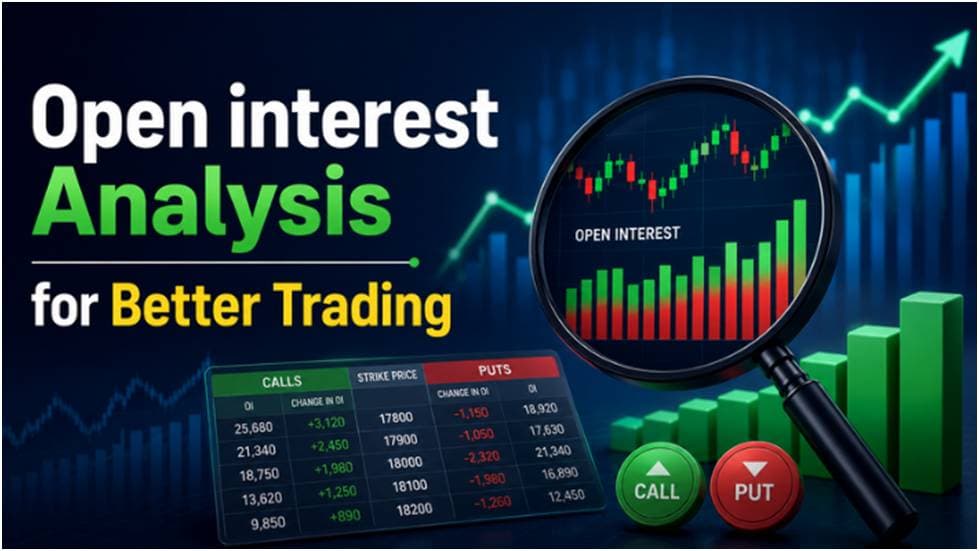
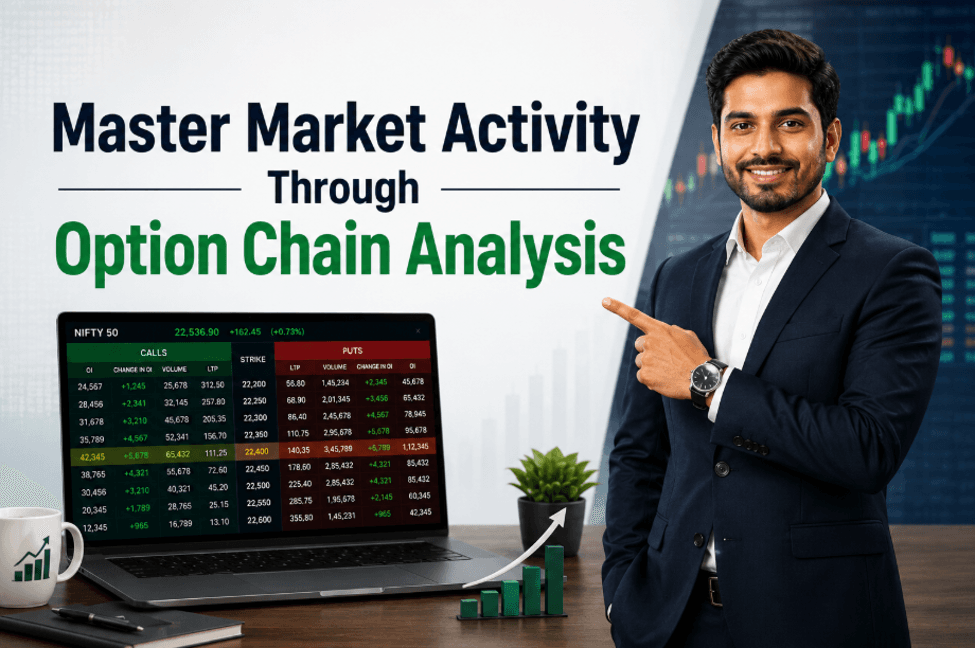
Option chain analysis is one of the most powerful tools for Nifty 50 option buyers. While charts help you understand price movement, the option chain helps you understand what is happening behind the scenes in the market. It shows where traders are placing their money, which gives clues about support, resistance, and possible market direction.


An option chain is basically a table that displays all available option contracts for different strike prices. It includes important data like call options (CE), put options (PE), open interest (OI), volume, and premium. At first, it may look complicated, but once you understand the key parts, it becomes very useful.


The most important concept in option chain analysis is Open Interest (OI). It shows how many active positions exist at a particular strike price. This helps identify key levels in the market. Here’s how traders read it:


·      High Call OI → Strong resistance

·      High Put OI → Strong support


For example, if there is high call OI at 20,200, it means many traders expect the market to stay below this level. So, it acts as resistance. On the other hand, if there is high put OI at 19,800, it acts as support.


Another important factor is change in open interest. This tells whether traders are adding new positions or closing old ones.


·      Price up + OI up → Strong bullish signal

·      Price down + OI up → Strong bearish signal

·      Price up + OI down → Short covering

·      Price down + OI down → Long unwinding


This helps you understand whether the current move is strong or weak. Next comes volume, which shows how much trading activity is happening. High volume at a strike price indicates strong interest from traders. When both OI and volume are high, that level becomes more important. Traders also use option chain to understand market range. Usually:


·      Highest Call OI → Upper range

·      Highest Put OI → Lower range


This gives an idea of where the market is likely to move within a certain range. Another useful concept is Put-Call Ratio (PCR):


·      PCR above 1 → Market slightly bullish

·      PCR below 1 → Market slightly bearish


However, PCR should not be used alone. It works best when combined with price action and trend analysis. To simplify option chain usage, follow this process:


1.    Check current Nifty price

2.    Identify highest call and put OI levels

3.    Observe changes in OI

4.    Match with chart levels

5.    Take trade based on combined view


One important thing to remember is that option chain shows probability, not certainty. It gives you an edge, but it is not a guaranteed prediction tool. Also, never rely only on option chain.

Always combine it with chart analysis, trend, and proper risk management. When used correctly, option chain analysis can significantly improve your trading accuracy and confidence.


How to Select the Right Strike Price


Selecting the right Strike Price in Options Trading is one of the most important skills. Many traders focus only on direction (up or down), but even if your direction is correct, a wrong strike price can reduce your profit or cause loss.

A good trader does not choose a strike randomly. Instead, they consider market condition, risk level, and timing before making a decision.


Factors to Consider (Volatility, Trend, Risk)


Before selecting any strike price, you should always check these factors:


1. Market Trend

Understanding the trend is the first step.


·      Uptrend → Focus on call options

·      Downtrend → Focus on put options

·      Sideways → Prefer ATM options


In a strong trend, you can choose slightly OTM strikes because the market may move fast. In sideways conditions, safer strikes are better.


2. Volatility


Volatility tells how fast the market is moving.

·      High volatility → Premiums are expensive

·      Low volatility → Premiums are cheaper


In high volatility, avoid far OTM options because they lose value quickly if the market slows down. In low volatility, ATM options are more reliable.


3. Risk Management


Your strike price should match your risk capacity.

·      Low risk → ITM options

·      Medium risk → ATM options

·      High risk → OTM options


Never choose a strike just because it is cheap. Cheap options often have lower probability of success.


4. Time to Expiry


Time is very important in option buying.

·      Near expiry → Fast premium decay

·      Far expiry → More stable movement


If you are trading near expiry, avoid far OTM options because they can lose value very quickly.


ITM vs ATM vs OTM Selection Strategy


Choosing between ITM, ATM, and OTM options depends on your trading style and confidence level.


1. ITM (In the Money)


·      Higher cost

·      More stable movement

·      Lower risk


Best for:


·      Beginners

·      Safe trading

·      Positional trades


2. ATM (At the Money)


·      Balanced premium

·      Good movement

·      Moderate risk


Best for:


·      Intraday trading

·      Most strategies

·      Consistent results


3. OTM (Out of the Money)


·      Low cost

·      High risk

·      Needs strong movement


Best for:


·      Breakout trades

·      High-confidence setups

·      Experienced traders


A simple approach many traders follow:


·      If unsure → Go with ATM

·      If confident → Slightly OTM

·      If conservative → ITM


ATM options are generally the best choice for most traders because they offer a balance between cost and movement.


Common Mistakes in Strike Price Selection


Many traders make mistakes while choosing strike prices, which leads to losses. Avoid these common errors:


1. Buying Very Cheap Options: Cheap OTM options look attractive, but most of them expire worthless if the market does not move strongly.

2. Ignoring Time Decay: Holding options for too long, especially near expiry, can reduce premium even if the market moves slightly in your favor.

3. Not Checking Volatility: Buying options when premiums are already high can be risky. If volatility drops, premiums fall.

4. Overconfidence in Market Direction: Choosing far OTM strikes expecting a big move often leads to losses when the move is small.

5. No Stop Loss: Even with the right strike, not using stop loss can cause unnecessary losses.

6. Following Others Blindly: Copying trades without understanding the reason behind strike selection is a major mistake.


Choose the Right Strike Price Smartly


Strike price selection is not about guessing, it is about making a smart decision based on market condition. The more you observe and practice, the better your selection will become. Always remember:

·      Focus on probability, not just profit

·      Choose strikes based on logic, not emotions

·      Manage your risk on every trade


Don’t go for the cheapest option, go for the smartest option.


Step-by-Step Guide to Start Option Buying in India (Short Version)


Starting Nifty 50 option buying may seem confusing at first, but following simple steps makes it easier. Focus on learning the basics step by step instead of rushing into trading.


1. Open a Trading Account


First, open a trading and Demat account using documents like PAN card, Aadhaar, bank details, and mobile number. Make sure the F&O (Futures & Options) segment is enabled so you can trade options.


2. Choose the Right Broker


Select a broker that offers:


·      Low brokerage charges

·      Easy-to-use trading platform

·      Good charting and option tools

·      Fast order execution

·      Reliable customer support


3. Place Your First Trade


Before trading, analyze market direction:


·      Market going up → Buy Call Option

·      Market going down → Buy Put Option


Choose an ATM strike price and expiry date. Start with a small investment and focus on learning.


4. Monitor Your Trades


After placing a trade, keep tracking:


·      Market movement

·      Option premium

·      Time left before expiry


Always set a target and stop loss and avoid emotional decisions.


5. Review Your Performance


Review every trade to learn from mistakes. Maintain a trading journal with entry, exit, profit/loss, and reason for the trade. This helps improve discipline and strategy.


Benefits of Learning Nifty 50 Option Buying


Learning Nifty 50 option buying offers several advantages when done with proper knowledge and discipline.


·      Low Capital Requirement – Start trading with a small investment.

·      Profit in Both Directions – Earn in rising or falling markets using calls and puts.

·      High Return Potential – Small market moves can give good returns due to leverage.

·      Better Market Understanding – Helps you learn trends, volatility, and price action.

·      Flexible Trading – Suitable for intraday or short-term trades.

·      Limited Risk – Maximum loss is limited to the premium paid.

·      Improves Discipline – Encourages planning and controlled decision-making.

·      Easy Access – Trading apps make option buying simple and accessible.

·      Useful for Hedging – Helps protect investments during market declines.

·      Continuous Learning – Markets provide daily learning opportunities.

·      Suitable for All Traders – Beginners can start small and grow gradually.

·      Financial Growth Opportunity – With practice and discipline, it can support long-term income goals.


Nifty 50 option buying can be rewarding when you stay patient, manage risks, and keep improving your knowledge over time.


Risk, Mind, and Money Management


In Nifty 50 option buying, success is not only about finding the right trade, it is about managing your risk, controlling your mindset, and handling your money wisely. Many traders lose money not because their strategy is wrong, but because they ignore these three important factors. If you can manage these properly, you can stay in the market longer and improve your chances of consistent profit.


1. Risk Management


Risk management is the most important part of trading. It helps you protect your capital and avoid big losses. Before entering any trade, you should always decide how much you are willing to lose. Never risk a large portion of your capital in a single trade. Using a stop loss is very important. It helps you exit the trade when it goes against you, instead of waiting and increasing your loss.

Many beginners avoid stop loss, but that is one of the biggest mistakes. You should also focus on position sizing. Don’t invest all your money in one trade. Divide your capital and take smaller trades so that even if one trade fails, your overall capital is safe. Good risk management ensures that you can survive in the market even after multiple losses.


2. Mind Management


Trading is not just about charts and strategies, it is also about controlling your emotions. Your mindset plays a huge role in your success. Fear, greed, and overconfidence are common emotions that affect traders:


·      Fear can make you exit trades too early

·      Greed can make you hold trades too long

·      Overconfidence can lead to careless decisions


To manage your mind, you need discipline. Always follow your plan and avoid emotional trading. Don’t take trades without proper setup, and don’t try to trade every opportunity.

Patience is also very important. Sometimes the best trade is no trade. Waiting for the right opportunity is better than taking random trades. A calm and controlled mindset helps you make better decisions.


3. Money Management


Money management is about how you use and grow your capital over time. It helps you trade safely and avoid unnecessary risks. Always trade with an amount you can afford to lose. Don’t depend on trading for quick money. Keep your expectations realistic and focus on steady growth. Avoid overtrading and don’t increase your trade size after a loss. Many traders try to recover losses quickly by taking bigger risks, which usually leads to more losses.


It is also helpful to maintain a trading journal. Track your trades, profits, and mistakes. This helps you understand your performance and improve over time. Good money management helps you stay consistent and build your capital slowly without taking unnecessary risks.


Beginner Mistakes in Nifty 50 Option Buying (And How to Avoid Them)


In Nifty 50 option buying, many traders lose money not because the market is difficult, but because they make common beginner mistakes. These mistakes are often repeated by new traders and even those with some experience.


The good thing is that once you understand these mistakes, you can avoid them and improve your trading results. Below are the most common beginner mistakes and how to avoid them:


1. Trading Without Proper Knowledge


One of the biggest mistakes is starting option trading without understanding how it works. Many people enter the market after watching videos or following tips without learning the basics.


How to avoid it:


Take time to understand concepts like options, strike price, expiry, and volatility before trading. Start with learning, not earning.


2. Ignoring Risk Management


Many traders focus only on profit and ignore risk. They invest large amounts in a single trade and face heavy losses when the market goes against them.


How to avoid it:


Always use a stop loss and risk only a small portion of your capital in one trade. Protecting your capital should be your first priority.


3. Overtrading


Taking too many trades in a day is a common mistake. Traders feel they must trade all the time, which leads to poor decisions.


How to avoid it:


Trade only when you see a clear setup. Focus on quality trades instead of quantity. Sometimes, not trading is the best decision.


4. Emotional Trading


Fear, greed, and frustration can affect your decisions. Many traders exit early due to fear or hold losing trades due to hope.


How to avoid it:


Follow a fixed plan. Set your entry, target, and stop loss before entering a trade. Stick to your rules and avoid emotional decisions.


5. Buying Cheap OTM Options


Beginners often buy cheap out-of-the-money options thinking they will give big profit. But most of these options expire worthless if the market does not move strongly.


How to avoid it:


Choose strike prices wisely. ATM or slightly ITM options are generally safer than far OTM options.


6. Ignoring Time Decay


Options lose value as expiry approaches. Many traders hold positions too long and lose money due to time decay.


How to avoid it:


Understand the impact of time. Avoid holding trades unnecessarily, especially near expiry.


7. Not Following a Strategy


Random trading without a clear plan leads to losses. Many traders keep changing strategies without giving them time to work.


How to avoid it:


Follow one simple strategy and practice it consistently. Don’t jump from one method to another.


8. Overconfidence After Profit


After making some profit, traders often become overconfident and take bigger risks, which leads to losses.


How to avoid it:


Stay consistent and disciplined. Treat every trade with the same seriousness, whether you are in profit or loss.


9. Not Reviewing Trades


Many traders don’t analyze their past trades. Without review, they keep repeating the same mistakes.


How to avoid it:


Maintain a trading journal. Review your trades regularly to learn what worked and what didn’t.


10. Following Tips Blindly


Relying on others’ tips without understanding the reason behind the trade is risky.


How to avoid it:


Always do your own analysis. Use tips only as a reference, not as a decision.

Mistakes are a part of trading, but repeating them is what causes losses. If you focus on learning from your mistakes and improving step by step, you can become a better trader over time.


Choosing the Right Options Trading Course


Choosing the right options trading course is an important step in your learning journey. With so many courses available, it can be confusing to decide which one is actually useful. A good course should not only teach theory but also help you understand how to apply it in real trading. The goal is to learn clearly, avoid confusion, and build strong skills step by step.


Things to look for in a good course:


·      Simple and easy-to-understand explanation

·      Strong focus on basics and fundamentals

·      Practical learning with real market examples

·      Clear strategy with entry, exit, and stop loss

·      Proper risk and money management guidance

·      Realistic expectations (no fake promises)

·      Experienced trainer with market knowledge


The right course can guide you in the right direction, but your success depends on how well you practice and apply what you learn. Focus on learning deeply rather than rushing for quick results.


Why Most Options Trading Courses Fail


Many traders join options trading courses hoping to become profitable, but most of them still struggle. The main reason is not lack of effort, but the way these courses are designed. Most courses focus too much on theory or complicated strategies, which are hard to apply in real market conditions. Some common problems with other courses:


·      Too much focus on indicators instead of real price movement.

·      Complicated strategies that confuse beginners.

·      Lack of practical examples from live market.

·      No clear entry, exit, or stop loss rules.

·      Over-promising profits without explaining risks.

·      No proper focus on risk and money management.


Because of these issues, traders feel confused and depend on tips instead of learning how to trade on their own.


A Course to Solve These Problems in Option Trading


To overcome all the common problems traders face in options trading, we designed TSTA Nifty Ninja with a clear and practical approach. Most traders struggle because of confusion, lack of structure, and overcomplicated strategies. This course is built to remove that confusion and provide a simple path to learning.

Instead of focusing on theory or indicators, TSTA Nifty Ninja focuses on what actually works in the market—price action, timing, and discipline. The goal is to help you understand how the market moves so you can take trades with logic and confidence, without depending on tips or guesswork.


TSTA Nifty Ninja - Best Options Trading Course


TSTA Nifty Ninja is designed for traders who want to learn Nifty option buying in a simple and practical way. Instead of depending on tips or complicated indicators, it focuses on understanding how the market actually moves and how to take trades with logic and confidence.


The course follows a structured approach that helps you build strong fundamentals, improve your analysis, and develop disciplined trading habits. It is suitable for both beginners and traders who want to improve consistency in their trading.


Core topic Covered in TSTA Nifty Ninja


This options trading course is designed to help traders understand Nifty options in a clear and practical way, with a strong focus on real market movement and confident decision-making. Instead of just theory, it builds strong fundamentals, improves analysis skills, and develops disciplined trading habits. The goal is to help you trade with clarity, not confusion, and achieve more consistent results over time.


Nifty 50 Fundamentals


The course starts with a clear understanding of the Nifty 50 index, which is the base of option trading. You will learn how the index works, which companies are included, and how different sectors impact its movement. This helps you understand why the market moves up or down instead of just guessing.

You will also learn how Nifty behaves in different situations like trending markets, sideways markets, and during major events. This basic understanding builds a strong foundation and makes it easier to take better trading decisions.


Candle Structures


Candles are one of the most important parts of price action. In this course, you will learn how to read candles properly, including bullish, bearish, and neutral candles. You will understand:


·      How candle body and wicks show buying and selling pressure.

·      How to identify strong and weak candles.

·      How to use candle patterns for entry and exit.


This helps you read the market clearly without depending on complex indicators.


Strike Price Optimization


Choosing the right strike price is one of the biggest challenges for traders. This course teaches a simple and logical approach to select the best strike price based on market conditions. You will learn:


·      When to choose ITM, ATM, or OTM.

·      How trend and volatility affect strike selection.

·      How to avoid common mistakes.


This improves your probability of success and helps you take smarter trades.


Data Collection from Nifty Spot


Understanding real-time market data is very important. This course teaches how to observe Nifty spot data and extract useful information from it. You will learn:


·      How to track price movement.

·      How to identify important levels.

·      How to understand market behavior in real time.


This helps you stay connected with the market instead of trading blindly.


Option Chain Mastery


Option chain is a powerful tool, but many traders find it confusing. In this course, it is explained in a simple way so you can use it effectively. You will learn:


·      How to read Open Interest (OI).

·      How to identify support and resistance.

·      How to understand call and put activity.

·      How to read market sentiment.


This gives you an edge by showing where big traders are placing their positions.


Gap Up & Gap Down Rules


Market openings can be confusing, especially when there is a gap up or gap down. Many traders panic during this time. This course provides clear rules to handle such situations:


·      How to trade gap up and gap down openings.

·      How to calculate entry, target, and stop loss.

·      How to avoid emotional decisions during volatile markets.


This helps you trade the opening session with confidence and control.


Tick Size Understanding


Tick size may look like a small concept, but it plays an important role in trading. You will learn:


·      What tick size is.

·      How small price movements affect your trade.

·      How to use it for better execution.


This improves your accuracy and helps you plan trades more precisely.


Entry, Target & Stop Loss Strategy


One of the biggest problems traders face is not knowing when to enter or exit a trade. This course provides a structured approach for trade execution. You will learn:


·      How to identify the right entry point

·      How to set realistic targets

·      How to place stop loss correctly

·      How to exit trades without confusion


This removes guesswork and helps you follow a disciplined trading process.


Price Action Mastery


Price action is the core of this course. Instead of relying on indicators, you will learn how to understand the market using price itself. You will study:


·      Open, High, Low, Close (OHLC)

·      Trend formation

·      Breakouts and reversals

·      Market structure


You will also understand how closing prices reflect market sentiment and help predict future movement. This gives you a clear and practical way to trade.


Option Insights Deep Dive


To become confident in option trading, you need to understand how options actually work. This course covers all important concepts in detail but in a simple way.


Call vs Put Understanding


You will clearly understand the difference between call and put options and when to use each of them based on market conditions.


Premium Calculation Mechanics


You will learn how option premiums are calculated and what affects their movement. This includes:


·      Market direction

·      Time decay

·      Volatility


Understanding this helps you avoid confusion when premiums behave differently.


Intrinsic Value and Time Value


These are important concepts in option pricing. You will learn:


·      What intrinsic value means

·      What time value means

·      How both impact option price


This helps you understand why options gain or lose value.


Correlation Between Option and Spot Price


You will understand how option prices move in relation to the Nifty spot price. This helps you:


·      Predict premium movement

·      Take better entry decisions

·      Avoid wrong trades


ITM, ATM, and OTM Strategies


The course explains how to use ITM, ATM, and OTM options in different situations. You will learn:


·      When to use safer ITM options

·      When to use balanced ATM options

·      When to use high-risk OTM options


This helps you match your strategy with your risk level.


The Three Pillars of Trading


Along with technical knowledge, this course strongly focuses on the three most important pillars of trading:


1. Risk Management: You will learn how to protect your capital by:


·      Using stop loss

·      Managing position size

·      Avoiding big losses

This ensures long-term survival in the market.


2. Mind Management: Trading is not just technical—it is emotional too. You will learn:


·      How to control fear and greed

·      How to stay disciplined

·      How to avoid emotional decisions


A strong mindset helps you stay consistent.


3. Money Management


This focuses on how to manage your capital properly. You will learn:


·      How much to invest per trade

·      How to grow your capital slowly

·      How to avoid overtrading


This helps you build long-term stability.


This course is designed to give you a complete and practical understanding of Nifty option buying. It combines strong fundamentals, real market analysis, and disciplined trading habits. Instead of making trading complicated, it simplifies the process so you can learn faster and apply it confidently.


With the right knowledge, proper practice, and a disciplined approach, you can improve your decision-making and work towards consistent performance in option trading.


How to Trade with Market Timings


Timing plays a very important role in Nifty 50 option buying. Many traders focus only on direction, but even if your direction is right, wrong timing can lead to losses. Understanding how the market behaves at different times of the day helps you take better trades and avoid unnecessary risks.


The Indian stock market runs from 9:15 AM to 3:30 PM, and each phase of the day has a different nature.


1. Morning Session (9:15 AM – 10:30 AM)


This is the most volatile time of the day. The market reacts to global news, overnight movements, and gap openings.


·      Fast price movement

·      Strong breakouts possible

·      High risk and high reward


Wait for the market to settle for a few minutes and then trade breakouts or clear trends. Avoid jumping into trades immediately after market open.


2. Mid Session (10:30 AM – 2:00 PM)


This is usually a slow and sideways phase. The market may not move strongly during this time.


·      Low volatility

·      Smaller price movement

·      Less clear direction


Avoid overtrading. Take trades only if there is a strong setup. Patience is very important in this phase.


3. Closing Session (2:00 PM – 3:30 PM)


The market becomes active again in the last hour.


·      Strong moves possible

·      Trend continuation or reversal

·      Good opportunities for intraday traders


Look for momentum trades or trend continuation setups. Manage risk properly as movement can be fast.


4. Expiry Day Trading


On expiry day, option premiums move very fast due to time decay.


·      Quick price changes

·      High volatility

·      High risk and reward


Trade with strict stop loss and avoid holding positions for too long.


What You Will Get in this Course


TSTA Nifty Ninja is not just about learning concepts—it is a complete learning experience designed to help you understand, practice, and improve your trading skills step by step. The course is structured in a way that you not only learn theory but also apply it in real market conditions with proper guidance and support.


Live Interactive Classes


The training is conducted through live interactive Zoom sessions, where you can learn directly from experienced mentors. These are not recorded-only sessions—you can ask questions, clear doubts, and understand concepts in real time.


You also get limited-time access to recordings, so you can revise important topics whenever needed. This ensures you don’t miss anything and can learn at your own pace even after the session.


Structured Learning + Practice Support


The course is not limited to just a few classes. It follows a complete structure:


·      15 days of intensive training to build strong fundamentals

·      Followed by 2.5 months of guided practice sessions


This is one of the biggest advantages. Most courses end after teaching, but here you continue learning through practice. During this period, you apply what you learned, observe real market behavior, and improve your decision-making with proper guidance.


Study Materials and Tools


To make learning easier, the course provides complete study materials that support your understanding:


·      PowerPoint presentations for clear concept explanation

·      Formula-based Excel sheets for calculations and analysis

·      Structured notes to revise important topics


These materials help you learn faster and reduce confusion, especially when you start practicing on your own.


Live Doubt Resolution Support


One of the biggest challenges for traders is unanswered questions. In this course, you get live doubt resolution sessions where you can directly ask your questions to expert mentors.


Whether it’s about strategy, market behavior, or trade execution, you get clear answers. This helps you avoid mistakes and build confidence in your trading decisions.


Certification After Completion


After completing the course successfully, you receive a digital certificate. This certificate shows that you have completed structured training in Nifty option trading and have gained practical knowledge. It also adds value to your learning journey and builds confidence as a trader.


This training program is designed to give you more than just knowledge, it gives you learning, practice, support, and confidence. With live classes, guided practice, and expert support, you get a complete system to understand and apply Nifty option buying effectively.


Why TSTA Courses are Different from Other Trading Courses


Most trading courses promise quick profits but fail to deliver real results. The main reason is they focus too much on theory, indicators, and complicated strategies that are difficult to apply in real market conditions. At TSTA, the approach is completely different.


Instead of confusing you with multiple indicators and setups, TSTA focuses on simple, practical, and logic-based trading. The goal is not just to teach concepts, but to help you actually understand how the market moves and how to trade with confidence.


This makes learning easier, clearer, and more effective for both beginners and experienced traders.


Conclusion


Nifty 50 option buying is a simple and flexible way to trade the market with less capital, but it requires the right knowledge and approach to succeed. In this guide, you learned key concepts like Nifty and Sensex, call and put options, strike price selection, option chain, and more. These help you understand the market better and make smarter trading decisions.


Success in option buying is not about being right every time. It depends on discipline, proper timing, and strong risk management. Avoid common mistakes like overtrading, ignoring stop loss, or chasing quick profits. Focus on following a clear plan and staying consistent in your approach.


If you learn step by step, practice regularly, and join our course at TRADE SUTRA Trading Academy (TSTA), option buying can become a valuable skill over time. With the right guidance, patience, and discipline, you can trade with confidence and turn it into a steady and rewarding journey.

Read More
Top Options Trading Courses Online for Smart Investors
Trading Courses

Top Options Trading Courses Online for Smart Investors

Options trading is becoming popular among people who want to grow their money in a smart way. Many investors now prefer learning from proper courses instead of guessing in the market. Choosing the Top Options Trading Courses Online can help traders understand the market better, manage risk, and make smarter trading decisions.


Smart investors know that trading success does not come from luck. It comes from learning the right skills and following a clear strategy. A good course teaches how markets move, how to choose the right trade, and how to avoid big losses. With proper learning, traders feel more confident and make better decisions.


Why Smart Investors Choose Online Trading Courses


Online trading courses are easy to join and flexible to learn. You can study anytime and from anywhere. This makes them a good choice for students, working professionals, and beginners. Here are some simple reasons why investors choose online courses:


·        Learn from Experienced Traders: Most courses are created by traders who have real market experience. They share useful tips and real examples.

·        Step-by-Step Learning: A good course starts with basics and slowly moves to advanced topics. This helps beginners understand everything clearly.

·        Focus on Risk Management: Many traders lose money because they do not manage risk properly. Courses teach how to use stop loss and protect money.

·        Updated Trading Methods: Online courses often include updated strategies based on current market trends.


What Makes a Good Options Trading Course


Not every course is helpful. Smart investors check some important points before joining.


·        Simple Teaching Style: The course should explain topics in easy language so beginners can understand.

·        Real Market Examples: Learning becomes easier when courses show real charts and live examples.

·        Clear Trading Strategies: Students should learn how to select strike prices, enter trades, and exit at the right time.

·        Support and Guidance: Courses that provide support or mentorship help students clear their doubts quickly.


TSTA Nifty Ninja – A Practical Course for Nifty Option Buying


Among the Top Options Trading Courses Online, TSTA Nifty Ninja is designed to help traders learn Nifty Option Buying in a simple and structured way. TSTA Nifty Ninja focuses on price-action-based strategies instead of confusing indicators.

Many traders struggle because they use too many tools. This course removes that confusion and teaches how to read market movement clearly. The course helps traders learn:


·        How to understand market movement.

·        How to choose the right entry time.

·        How to set stop loss correctly.

·        How to manage trades with confidence.

·        How to select the correct strike price.

·        How to identify strong market momentum.


This structured method helps traders avoid guessing and make logical trading decisions. TSTA Nifty Ninja also removes the confusion of complicated indicators that many traders face.


Benefits of Learning Price Action Trading


Price action is a simple and powerful trading method used by many experienced traders.


·        Better Trade Timing: It helps traders enter and exit trades at the right time.

·        Less Confusion: Using fewer indicators makes trading simpler and easier to understand.

·        Builds Confidence: Understanding market movement makes traders more confident.

·        Improves Consistency: Simple and clear methods help traders perform better over time.


Conclusion


Options trading offers good opportunities, but learning is very important before starting. A structured course helps traders understand the market and avoid common mistakes. TSTA Nifty Ninja provides a simple and logical way to learn Nifty Option Buying using price-action strategies.


Smart investors always focus on learning first. With our course at TRADE SUTRA Trading Academy (TSTA), traders can improve their skills, reduce risks, and move closer to their financial goals.


FAQs About Options Trading Courses


What is an options trading course?
It is a program that teaches how to trade options and manage risk properly.


Are online options trading courses good for beginners?
Yes, most courses are designed to help beginners learn step by step.


What is options trading?
Options trading is buying and selling contracts that give you the right to buy or sell an asset at a fixed price before a certain date.


What are the types of options trading?
There are two main types: Call Options (used when price may go up) and Put Options (used when price may go down).


How long does it take to learn options trading?
Basics can be learned in a few weeks, but mastering trading takes time and practice.


Why is stop loss important in options trading?
Stop loss helps protect money by limiting losses.


What makes TSTA Nifty Ninja useful for traders?
It teaches simple price-action strategies without using confusing indicators.


What is price action trading?
Price action trading focuses on reading market movement instead of relying on many indicators.

Read More
Intraday Trading for Beginners to Manage Risk Better
Trading Courses

Intraday Trading for Beginners to Manage Risk Better

Many new traders enter the market hoping to make quick profits, yet they often overlook the importance of risk management.  Intraday Trading for Beginners should always start with learning how to protect capital before focusing on profits.  When traders understand how to control risk, they can trade more confidently and avoid large losses.


What Is Intraday Trading?


Intraday trading means buying and selling stocks on the same day. Traders open and close their trades before the market closes. They try to make profits from small price movements during the day.


Since trades happen quickly, the market can change fast. That is why beginners need to be careful and follow simple strategies to avoid big losses.


Start With a Simple Trading Plan


A trading plan helps beginners stay organized. It tells you when to enter a trade and when to exit. Your trading plan can include:


·        The price where you want to buy.

·        The price where you want to sell.

·        A stop-loss level.

·        A daily profit target.

·        A daily loss limit.


When you follow a plan, you are less likely to make emotional decisions.


Always Use a Stop-Loss


A stop-loss helps protect your money. It automatically closes a trade if the price moves in the wrong direction. For example, if you buy a stock at ₹100, you may place a stop-loss at ₹97. If the price drops to ₹97, the trade closes and your loss stays small.

Many beginners avoid using stop-loss orders, but this can lead to large losses. Using a stop-loss is one of the most important rules in trading.


Start With Small Trades


New traders should not invest large amounts of money in the beginning. It is better to start with small trades and learn how the market works.


Trading with smaller amounts reduces risk and helps beginners practice without too much pressure. As experience grows, traders can slowly increase their investment.


Choose Stocks With High Liquidity


Liquidity means how easily a stock can be bought or sold. In intraday trading, it is better to trade stocks that have many buyers and sellers.


Highly liquid stocks allow traders to enter and exit trades quickly. Stocks with very low trading volume can be risky because it may be difficult to sell them at the right price.


Do Not Trade Too Much


Some beginners try to trade many times in one day. This is called overtrading. Overtrading can increase losses and trading costs.

It is better to wait for good trading opportunities instead of entering every small market move. Sometimes the best decision is to stay patient and wait for the right setup.


Control Your Emotions


Trading can bring strong emotions like fear and greed. These emotions can cause traders to make poor decisions. For example, fear may make a trader exit a good trade too early.


Greed may cause someone to hold a trade longer than planned. Following a trading plan and using stop-loss orders can help control emotions and keep trading disciplined.


Learn Basic Chart Reading


Many intraday traders use charts to understand market trends. Charts help traders see price patterns and possible entry points. Beginners can start with simple tools such as:


·        Support and resistance levels

·        Moving averages

·        Trend lines

·        Volume indicators


Learning these basic tools can help traders make better decisions during the trading day.


Review Your Trades


After trading, it is helpful to review your trades. This can help you understand what went right and what went wrong. You can keep a simple trading journal and write down:


·        Why you entered a trade

·        Where you placed the stop-loss

·        Whether the trade followed your plan


Over time, this habit helps traders improve their skills.


Keep Learning


Intraday trading is not something that can be mastered in a few days. It takes time, practice, and patience.

Beginners should continue learning about the market, strategies, and risk management. Watching market movements and practicing with small trades can help build confidence.


Conclusion


Intraday trading can offer good opportunities, but beginners must focus on managing risk. Using a trading plan, placing stop-loss orders, trading with small amounts, and controlling emotions can make a big difference. With patience and continuous learning, beginners can improve their trading skills and manage risk more effectively in the market.


If you want to learn trading in a better and more organized way, you can join our courses at TRADE SUTRA Trading Academy to understand intraday trading and risk management.


FAQs on Intraday Trading for Beginners


What is intraday trading?
Intraday trading means buying and selling stocks on the same day before the market closes.


Is intraday trading safe for beginners?
It can be risky, but beginners can reduce risk by using stop-loss and trading carefully.


Why is stop-loss important?
Stop-loss helps limit losses by closing a trade if the price moves in the wrong direction.


Which stocks are good for intraday trading?
Stocks with high trading volume and good liquidity are better for intraday trading.


What is the biggest mistake beginners make?
Many beginners trade without a plan and do not use stop-loss.

Read More
Importance of Strike Price in Options Trading
Trading Courses

Importance of Strike Price in Options Trading

Options trading is becoming popular among traders who want to earn profits from market movements. But many beginners feel confused when they hear terms like strike price, premium, and expiry. Among these terms, strike price is one of the most important.


Understanding the Importance of Strike Price in Options Trading helps traders make better decisions and improve their chances of profit.


What is Strike Price in Options Trading


Strike price is the fixed price at which you can buy or sell an asset in an options contract. It is decided when you enter the trade. For example, if Nifty is trading at 22,000 and you buy a call option with a strike price of 22,100, the market must move above 22,100 for profit.


If the market does not reach that level, the trade may not give profit. In simple words, strike price is the price level the market must cross to make your trade profitable.


Why Strike Price is Important in Options Trading


Strike price is very important because it affects profit, risk, and trade success. Many traders lose money because they choose the wrong strike price. Here are some simple reasons why strike price matters:


1. It Affects Profit: The strike price you choose decides how much profit you can make. If the strike price is too far from the market price, profit chances become low. For example, cheap options may look attractive, but they may not give profit if the market does not move enough.


2. It Controls Risk: Strike price also affects how much risk you take. Options close to the market price usually cost more but have better chances of success. Options far from the price are cheaper but riskier. Choosing the right strike price helps protect your money.


3. It Helps in Better Trade Planning: A correct strike price makes trade planning easier. It helps traders decide entry, exit, and stop loss clearly. Good planning reduces confusion and emotional trading.


Types of Strike Prices in Options Trading


There are three main types of strike prices. Knowing these types helps traders choose better options.


1. At-the-Money (ATM): ATM strike price is closest to the current market price. For example, if Nifty is at 22,000, then 22,000 strike price is ATM. Many beginners prefer ATM because it is easier to manage.


2. In-the-Money (ITM): ITM strike prices are already profitable compared to the market price. These options cost more but are safer than others. For example, if Nifty is at 22,000, then 21,900 call option is ITM.


3. Out-of-the-Money (OTM): OTM strike prices are far from the market price. These options are cheaper but have lower chances of profit. For example, if Nifty is at 22,000, then 22,200 call option is OTM.


Understanding these types helps traders choose options based on risk and budget.


How Strike Price Affects Profitability


Strike price plays a big role in profit. Even if the market moves in the right direction, a wrong strike price can reduce profit. Here are some simple ways strike price affects profit:


·        Better Profit Chances: Choosing the right strike price increases profit chances.

·        Lower Risk: Correct strike price helps control losses.

·        Better Trading Decisions: When traders understand strike price, they make smarter trades.

·        Balanced Risk and Reward: Strike price helps keep the right balance between profit and loss.


Conclusion


Understanding the Importance of Strike Price in Options Trading is very important for every trader. Strike price affects profit, risk, and success in trading. Choosing the right strike price helps traders plan better and avoid losses.


Options trading can give good results when done with proper knowledge. By learning how strike price works from TRADE SUTRA Trading Academy (TSTA), traders can improve confidence and make smarter trading decisions.


FAQs on Strike Price in Options Trading


What is strike price in options trading?
Strike price is the fixed price at which you can buy or sell an option.


Why is strike price important?
Strike price affects profit, risk, and the success of a trade.


What is ATM strike price?
ATM strike price is the price closest to the current market price.


What is ITM strike price?
ITM strike price is already profitable compared to the market price.


What is OTM strike price?
OTM strike price is far from the current market price and usually cheaper.

Read More
Stock Market Option Trading Academy – Develop Confidence in Every Trade
Trading Courses

Stock Market Option Trading Academy – Develop Confidence in Every Trade

If you want to build strong trading skills, joining a Stock Market Option Trading Academy is one of the best decisions you can make. Many traders struggle because they don’t have proper guidance or a structured learning approach. A professional academy helps you understand the market clearly and trade with confidence.


TRADE SUTRA Trading Academy is a trusted platform that offers practical and easy-to-understand trading education. Our courses are designed to help beginners as well as experienced traders improve their knowledge step by step.


Why Choose a Stock Market Option Trading Academy


Learning on your own can be confusing, especially in options trading. A structured course from a stock market option trading academy gives you a clear path to follow. It helps you:


  • • Understand how the stock market works
  • • Learn option trading strategies
  • • Improve decision-making skills
  • • Reduce risk with proper techniques

Instead of guessing, you learn to trade using logic and discipline.


Learn with a Strike Price Trading Course


A Strike Price Trading Course is an important part of options trading. Understanding strike price helps you make better trading decisions and identify the right opportunities in the market. At TRADE SUTRA Trading Academy, you will learn how to:


  • • Select the right strike price
  • • Analyze market conditions
  • • Make better entry and exit decisions

This knowledge is essential for anyone who wants to trade options successfully.


Key Features of a Professional Strike Price Trading Course


Not all courses provide practical knowledge. A Professional Strike Price Trading Course focuses on real market application instead of just theory. This course helps you:


  • • Understand price movements
  • • Use strike price effectively in trading
  • • Apply strategies in real market situations
  • • Build confidence while trading

That’s why it is considered one of the most useful learning programs for traders.


Benefits of Joining a Professional Trading Academy


Joining a stock market option trading academy like TRADE SUTRA Trading Academy gives you many advantages:


  • • Structured learning process
  • • Expert mentorship
  • • Practical trading knowledge
  • • Better understanding of strategies
  • • Confidence in decision-making

This helps you grow faster and avoid common mistakes.


Final Thoughts


Joining a stock market option trading academy is the first step toward becoming a successful trader. With the right guidance, you can understand the market better and trade with confidence.


TRADE SUTRA Trading Academy offers a complete learning experience with practical strategies and expert support. Our Professional Strike Price Trading Courses help you build strong skills and improve your trading journey step by step.


FAQs


What is a strike price in options trading?
Strike price is the price at which you can buy or sell an option contract. It is an important concept in options trading.


Why is a Strike Price Trading Course important?
A Strike Price Trading Course helps you understand how to choose the right strike price and improve your trading strategy.


How does this course improve trading skills?
It teaches simple strategies and disciplined trading methods.


Can I improve confidence through this training?
Yes, learning proper strategies helps build trading confidence.

Read More
Best Option Buying Course Online India to Strengthen Skills
Trading Courses

Best Option Buying Course Online India to Strengthen Skills

If you want to succeed in trading, choosing the Best Option Buying Course Online India is very important. Many beginners enter the market without proper knowledge and face losses due to wrong decisions. A structured course from a Professional Trading Academy helps you understand the market clearly and trade with confidence.


TRADE SUTRA Trading Academy offers a well-designed program that focuses on practical learning and simple concepts. This course is ideal for beginners as well as traders who want to improve their skills step by step.


Why Choose the Best Option Buying Course Online India


Option buying requires the right knowledge, timing, and strategy. Without proper guidance, it can become confusing. That’s why learning from a professional trading academy is important. This course helps you:


  • • Understand how the market works
  • • Learn when to enter and exit trades
  • • Reduce risk with proper strategies
  • • Build confidence in trading decisions

Instead of guessing, you learn to trade with a clear and disciplined approach.


Learn from a Professional Trading Academy


A professional trading academy provides structured training and expert mentorship. The course by TRADE SUTRA Trading Academy is designed to simplify complex trading concepts so that anyone can understand them easily.


The focus is on practical knowledge rather than theory. You learn how to apply strategies in real market situations, which helps you improve your trading performance.


What You Will Learn in This Course


This is one of the best professional trading courses because it covers all important aspects of option buying in a simple and clear way.


1. Basics of Option Buying: You will learn the foundation of options trading, including how option buying works and how to identify opportunities.

2. Market Understanding: The course teaches you how to read market behavior and understand price movements.

3. Entry and Exit Strategies: Timing is very important in option buying. You will learn when to enter a trade and when to exit for better results.

4. Risk Management: Managing risk is key to long-term success. This course teaches you how to protect your capital and avoid major losses.

5. Trading Discipline: You will learn how to control emotions and follow a proper trading system instead of random decisions.


Flexible Online Learning


One of the biggest advantages of this option buying course is flexibility. You can learn from anywhere at your own pace.


  • • Online classes
  • • Easy access to learning materials
  • • Suitable for beginners and working professionals

This makes it easier to manage learning along with your daily routine.


How This Course Helps You Grow


The goal of this course is to make you a confident trader. Instead of confusion, you will have a clear understanding of the market. You will learn:


  • • How to take smart trading decisions
  • • How to manage risk effectively
  • • How to trade with discipline
  • • How to improve consistency

With the right training, you can avoid common mistakes and build long-term trading skills.


Final Thoughts


Choosing the best option buying course online India can completely change your trading journey. Learning from a trusted professional trading academy like TRADE SUTRA Trading Academy helps you build strong fundamentals and trade with confidence.


Our program focuses on simplicity, practical knowledge, and real market understanding. If you want to learn option buying the right way, this course is a great place to start.


FAQs


Who can join this option buying course?
Anyone can join, including beginners, students, working professionals, and traders who want to improve their skills. No prior experience is required.


What will I learn in an option buying course?
You will learn market basics, option buying strategies, entry and exit timing, and risk management techniques to trade more confidently.


Is online trading training effective?
Yes, online courses are flexible and allow you to learn from anywhere. With proper guidance and structured lessons, they are very effective.


Why choose a professional trading academy?
A professional trading academy provides expert mentorship, practical knowledge, and a step-by-step learning approach, which helps you avoid common mistakes.

Read More
Top Benefits of Joining a Nifty Option Buying Course Online
Trading Courses

Top Benefits of Joining a Nifty Option Buying Course Online

Nifty option trading is becoming popular among many traders. People want to earn from market movements. That is why joining a Nifty Option Buying Course Online can be very helpful. An online course gives you proper direction. Instead of guessing or following random tips, you learn step by step.


It helps you understand the market, manage risk, and trade with more confidence. Whether you are new to trading or already trading, learning through a structured course can improve your results. Let’s understand the top benefits of joining a Nifty option buying course online.


Learn the Basics of Nifty Trading


One of the biggest benefits of joining an online course is learning the basics clearly. Many beginners start trading without understanding how the Nifty 50 index works. A good course teaches the fundamentals of Nifty 50, including how the index moves and what affects its price. You also learn about candle patterns such as bullish, bearish, and neutral candles.


Candles help traders understand market behavior. The candle body and wicks show whether buyers or sellers are strong. When your basics are clear, it becomes easier to understand advanced trading methods later.


Understand Price Movement in a Simple Way


Price action is an important part of option trading. It means understanding how the market moves by looking at price charts. Our programs focus on simple price-action strategies instead of complex indicators. Traders learn how to read Open, High, Low, and Close (OHLC) levels.


This helps traders understand market direction and possible reversals. Price action trading is simple and practical, which makes it easier for beginners to learn and use in real trading.


Learn How to Select the Right Strike Price


Strike price selection is very important in option buying. Many traders lose money because they choose strike prices without proper analysis. A Nifty option buying course teaches a simple method to select the right strike price.


Traders learn how to use Nifty spot data and market movement to make better decisions. When you select the correct strike price, your chances of making profit improve, and your risk becomes more controlled.


Understand Option Chain and Market Sentiment


Option chain analysis helps traders understand market sentiment. It shows data like Open Interest, Call and Put activity, and support and resistance levels. Many beginners find option chain data confusing. A structured course explains how to read this data step by step.

You also learn gap trading rules, including gap-up and gap-down strategies. These methods help traders prepare for sudden market movement at market opening. Understanding option chain data helps traders trade with better planning instead of guessing.


Improve Entry and Exit Timing


Good timing is very important in trading. Entering a trade too early or too late can reduce profits or increase losses. A professional Nifty option buying course teaches how to plan entry and exit levels. Traders also learn about tick size and how it affects price movement.


Setting proper targets and stop losses helps traders manage risk and improve trade accuracy. This makes trading more disciplined and consistent.


Build Risk and Money Management Skills


Many traders focus only on profits and ignore risk management. This is one of the main reasons traders lose money. A good course teaches the importance of risk management, mind control, and money management. These are known as the three pillars of successful trading.


Risk management helps protect your capital. Mind management helps you stay calm during market movement. Money management helps you use your funds wisely. These habits are very important for long-term success in trading.


Follow a Structured Learning Method


Learning from random videos or tips can create confusion. Information may not be complete or in the correct order. A structured program like TSTA Nifty Ninja provides step-by-step learning.


Each topic is explained clearly, and traders learn how to apply strategies in real market situations. This organized learning saves time and helps traders avoid common mistakes.


Trade with More Confidence and Discipline


Confidence is one of the biggest benefits of joining a Nifty option buying course. When you understand the market and follow proper rules, you feel more confident. Instead of guessing, traders follow a clear plan.


They know when to enter, when to exit, and how much risk to take. Confidence leads to discipline, and discipline leads to consistent results over time.


Conclusion


Joining a Nifty Option Buying Course Online is a smart step for traders who want to learn trading in the right way. It helps you understand market basics, price action, option chain analysis, and risk management.


Our programs at TRADE SUTRA Trading Academy focus on simple and practical learning methods. With proper guidance and regular practice, traders can reduce mistakes, improve confidence, and trade more consistently.


Learning from a structured course not only saves time but also helps you build strong trading skills for the long term.


Frequently Asked Questions


What is a Nifty Option Buying Course Online?
A Nifty Option Buying Course Online is a training program that teaches how to trade Nifty options step by step. It covers basics, strategies, risk management, and trade planning.


What is option chain analysis?
Option chain analysis is a method used to understand market sentiment by studying Open Interest, Calls, and Puts. It helps traders plan better trades.


How long does it take to learn Nifty option buying?
Basic understanding can take a few weeks, but mastering strategies may take a few months. Regular practice is important.


How does price action help in trading?
Price action helps traders understand market direction by studying candle patterns and price movement. It makes trading decisions clearer and simpler.

Read More
Option Trading Course for Beginners in India – Learn Trading the Right Way
Trading Courses

Option Trading Course for Beginners in India – Learn Trading the Right Way

Starting your journey in trading can feel confusing, especially if you don’t have proper guidance. Choosing the right Option Trading Course For Beginners In India can help you understand the market step by step and build confidence.


TRADE SUTRA Trading Academy offers a structured and practical learning program designed for beginners who want to learn trading in a simple and clear way. Our approach focuses on building strong fundamentals so that anyone can start trading with confidence.


Why Beginners Need a Proper Trading Course


Many beginners enter the stock market without proper knowledge and end up making mistakes. A structured course helps you avoid confusion and learn trading with a clear plan. This course focuses on:


  • • Understanding how the market works
  • • Learning step-by-step trading concepts
  • • Building confidence through practice

The academy believes in simplicity and discipline, helping learners understand market behavior through a practical approach instead of complex methods.


Learn with a Simple and Practical Approach


Our option trading course is designed to make learning easy. Even if you have no background in trading, you can understand concepts quickly. The teaching method is based on price action, which helps you read the market clearly without confusion. The focus is on:


  • • Clear concepts
  • • Practical learning
  • • Real market understanding

This approach helps beginners trade with clarity instead of relying on guesswork.


What You Will Learn in This Course


This course provides a strong foundation for beginners and covers everything needed to start trading.


1. Basics of Stock Market and Options: You will understand how the stock market works and how options trading functions. This is important for building a strong base.


2. Market Behavior Understanding: The course teaches how markets move and how to identify opportunities using simple methods.


3. Entry and Exit Timing: Beginners often struggle with when to enter or exit trades. This course helps you understand timing more clearly.


4. Risk Management and Discipline: You will learn how to manage risk and protect your capital. This is one of the most important skills for any trader.


5. Trading Mindset: The course also focuses on building the right mindset so you can trade with confidence and avoid emotional decisions.


Flexible Online Learning for Beginners


One of the biggest advantages of this course is that it is completely online. You can learn anytime and from anywhere without disturbing your daily routine.


  • • Online learning access
  • • Flexible schedule
  • • Easy-to-follow lessons

This makes it perfect for beginners who want to learn at their own pace.


Learn from Experienced Mentors


The academy provides training from experienced professionals who have years of trading and teaching experience.


  • • 22+ years of experience in trading and mentoring
  • • Practical teaching style
  • • Real market knowledge

Learning from experienced mentors helps beginners understand trading more clearly and avoid common mistakes.


Common Problems Faced by Beginners


Beginners usually face many challenges while starting trading, such as:


  • • Market uncertainty
  • • Difficulty in timing trades
  • • Lack of proper strategy

This course is designed to solve these problems by giving you a clear system and structured learning path.


Who Should Join This Course


This option trading course for beginners in India is perfect for:


  • • People with no trading experience
  • • Beginners who want structured learning
  • • Traders who want to improve their understanding
  • • Anyone looking for a simple and practical approach

The course is designed so that anyone, regardless of background, can learn trading easily.


How This Course Helps You Grow


The goal of our course is not just to teach trading but to help you become a confident and independent trader. You will learn:


  • • How to understand the market clearly
  • • How to take trades with confidence
  • • How to follow discipline in trading
  • • How to improve your decision-making

With the right knowledge and mindset, you can build long-term trading skills and improve your performance.


Start Your Trading Journey Today


If you are a beginner, choosing the right option trading course in India can make a big difference. A structured and simple learning approach helps you avoid confusion and grow faster. TRADE SUTRA Trading Academy provides a complete platform where beginners can learn, practice, and improve their trading skills step by step.


With a focus on simplicity, discipline, and practical learning, our course helps you build a strong foundation and start your trading journey with confidence.


FAQs


What will I learn in this option trading course?
You will learn stock market basics, option trading concepts, entry and exit timing, risk management, and trading discipline.


Why is risk management important in option trading?
Risk management helps protect your money and reduces the chances of big losses while trading.


Can I learn option trading while doing a job or studying?
Yes, online courses are flexible, so you can learn at your own pace without affecting your daily routine.


Will I learn how to manage losses in trading?
Yes, you will learn risk management techniques that help control losses and protect your capital.

Read More
Online Option Trading Academy – Learn Smart Trading with Expert Guidance
Trading Courses

Online Option Trading Academy – Learn Smart Trading with Expert Guidance

If you want to learn trading in a simple and structured way, choosing the right Online Option Trading Academy is very important. A good academy helps you understand the market clearly and teaches you how to trade with confidence instead of confusion.


TRADE SUTRA Trading Academy provides a complete learning program designed for traders who want to build strong skills in options trading. Our course focuses on practical knowledge, discipline, and real market understanding so that learners can improve step by step.


Why Choose an Online Option Trading Academy


Learning through an option trading learning institute gives you the flexibility to study from anywhere while gaining structured knowledge. Our academy focuses on simplifying complex trading concepts so that even beginners can understand them easily.


Instead of random trading, you learn how to follow a proper system. This helps you make better decisions using logic and data rather than guesswork. The goal is to help you become a confident trader with a clear strategy.


What Sets Us Apart from Others


Many learners look for the best options trading institute online, but not all courses provide practical knowledge. Our academy stands out because it focuses on real trading applications. You will not just learn theory, but also how to apply strategies in real market conditions.


Our course is designed to guide you through every step, from understanding basics to executing trades confidently. The structured training helps you avoid common mistakes and trade with discipline.


Complete Learning from a Stock Market Option Trading Academy


This stock market option trading academy offers a complete learning experience covering multiple areas of trading. It helps you understand how different markets work and how to trade in them effectively.


1. Options Selling Strategies: You will learn structured methods of options selling. Instead of guessing, you use proper logic and market data to take positions.


2. Multi-Market Knowledge: The course covers stock options, Bank Nifty, currency options, and commodities. This gives you a broader understanding of trading opportunities.


3. Data-Driven Approach: You will learn how to collect and analyze data. This helps in making informed trading decisions and reduces risk.


4. Stock Selection Techniques: The course teaches how to choose stocks in both rising and falling markets. You also learn strategies like call writing and put writing.


Professional Guidance from an Option Trading Coaching Institute


Our course includes live sessions where you can interact and learn directly from experts.


  • • Live online classes on Zoom
  • • Interactive sessions for better understanding
  • • Doubt-solving support
  • • Real-time examples for practice

This approach makes learning easier and more effective because you can apply concepts while learning.


Course Structure and Learning Process


Our option trading academy follows a well-planned structure to help learners progress step by step.


  • • Around 3 months complete program
  • • 15 days of intensive training
  • • 2.5 months of guided practice
  • • Access to study materials like presentations and Excel sheets
  • • Recorded sessions available for revision

This structured format ensures that you not only learn concepts but also practice them properly.


Key Features of Option Trading Education Academy


As a leading option trading education academy, our program offers several useful features:


  • • Live interactive training sessions
  • • Practical learning approach
  • • Real market strategy implementation
  • • Mentor guidance and support
  • • Certification after course completion

These features help learners gain confidence and improve their trading skills effectively.


How This Course Helps You Become a Better Trader


Many traders struggle because they don’t follow a proper system. This course focuses on building discipline and consistency. You will learn:


  • • How to enter trades at the right time.
  • • How to manage positions properly.
  • • How to control risk and protect capital.
  • • How to avoid emotional trading decisions.

This makes your trading more structured and less stressful.


Final Thoughts


Choosing the right online option trading academy can make a big difference in your trading journey. With proper guidance, structured learning, and practical strategies, you can trade with more confidence and clarity.


TRADE SUTRA Trading Academy offers a complete system that focuses on discipline, real market understanding, and consistent learning. As a trusted option trading learning institute, we help traders move from confusion to confidence with a clear approach.


If you want to build strong trading skills and learn from a reliable option trading coaching institute, our academy provides everything you need to grow step by step.


FAQs – Online Option Trading Academy


What will I learn in an online option trading academy?
You will learn options trading basics, market analysis, risk management, stock selection, and strategies to take trades with confidence.


How long does it take to complete an online option trading course?
Most courses take a few weeks to a few months, depending on the program structure and learning pace.


Is practical learning important in option trading?
Yes, practical learning helps you understand real market behavior and apply strategies instead of relying only on theory.


What are the benefits of joining an online option trading academy?
It helps you learn trading in a structured way, improve market understanding, build confidence, and develop better trading habits.

Read More
Best Options Trading Course Online to Master Smart Trading Strategies
Trading Courses

Best Options Trading Course Online to Master Smart Trading Strategies

Learning trading the right way is important if you want consistent results. A well-structured Options Trading Course Online can help you understand the market clearly and trade with confidence. The course offered by TRADE SUTRA Trading Academy is designed to give you a practical and disciplined approach to options trading without confusion.


This course focuses on helping traders move away from random decisions and start using proper strategies, data, and logic. Instead of guessing, you learn how to trade with a clear plan and strong understanding of market behavior.


Why Choose an Options Trading Course Online


Online learning makes trading education flexible and accessible. With this course, you can learn from anywhere and build your skills step by step. The academy focuses on simplifying trading concepts so that anyone can understand them easily and apply them in real market situations.


The main goal is to help you become a confident trader by teaching you how markets behave and how to make decisions with discipline. This removes confusion and helps you trade with clarity and confidence.


What You Will Learn in This Course


This options trading course online is designed with a structured learning approach. It covers both basic understanding and practical application so that you can trade effectively.


1. Structured Options Selling: You will learn how to sell options using a proper system instead of random trades. The course teaches how to use market data, pricing logic, and conditions to take better decisions.


2. Multi-Asset Trading Knowledge: The course covers different types of options including stock options, Bank Nifty, currency options, and commodity options. This helps you understand trading across different markets.


3. Data and Research Framework: You will learn how to collect and analyze market data. This helps you make informed decisions instead of relying on guesswork.


4. Stock Selection Strategies: The course explains how to select stocks in both bull and bear markets. You will also learn techniques like call writing and put writing to improve your trading strategy.


5. Risk and Money Management: Understanding risk is one of the most important parts of trading. This course teaches you how to manage your capital, set stop-loss, and protect your money in volatile markets.


6. Trade Execution Framework: You will learn how to enter trades, set targets, and manage positions using clear rules. This helps in avoiding emotional decisions and improves consistency.


Course Structure and Learning Format


This options trading course online is designed in a way that combines learning with practice. The program duration is around 3 months, which includes training sessions and guided practice.


  • 1. Live online classes are conducted on Zoom
  • 2. Interactive sessions help you understand real trading scenarios
  • 3. Practice sessions allow you to apply what you learn
  • 4. Study materials like presentations and Excel sheets are provided
  • 5. Doubt-solving sessions with mentors are included


This structured format helps you learn step by step and build confidence while trading.


Key Features of the Course


One of the biggest advantages of this course is its practical approach. It is not just theory but focuses on real application.


  • • Live interactive classes
  • • Access to learning recordings for a limited time
  • • 15 days of intensive training
  • • 2.5 months of guided practice
  • • Digital certificate after completion
  • • Direct support from expert mentors

These features ensure that you not only learn but also apply your knowledge effectively.


Final Thoughts


Choosing the right options trading course online can completely change the way you trade. A structured and practical course at TRADE SUTRA Trading Academy helps you understand the market deeply and trade with confidence.


With a focus on discipline, data-driven decisions, and risk management, our course gives you the tools you need to succeed in trading. Instead of confusion and guesswork, you learn a clear and simple approach that works in real market conditions.


FAQs – Best Options Trading Course Online


What type of trading strategies are taught in this course?
This course focuses on structured options selling, market-based strategies, and rule-based trading methods that help traders make informed decisions.


Will I learn how to analyze market data in this course?
Yes, the course includes a data and research framework that helps you understand how to study market trends and use data for better trade planning.


Is this course focused only on options selling?
The course mainly focuses on structured options selling strategies while also helping you understand different market instruments and trading methods.

Read More

Subscribe Our Newsletter

For Latest Updates

TSTA Logo

Trade Sutra Trading Academy (TSTA) is a financial education platform offering trading courses and webinars led by NISM-certified educators. We are not SEBI-registered brokers or investment advisers.

FOLLOW US ON:

Get in touch!

© 2026 Trade Sutra Trading Academy Pvt. Ltd. All Rights reserved